
By: Doris Jeruto – Head of Communications, TTNM
According to the Waste Management and Circular Economy Investment Prospectus, approximately 45,000 waste pickers operate across Kenya and recover around 80% of reclaimed plastic. Yet many of the people at the heart of this recovery economy continue to work with limited infrastructure, unpredictable markets and limited access to formal financial services.
This is the space where Community Owned Ecosort Buy-Back Centres are creating a different possibility.
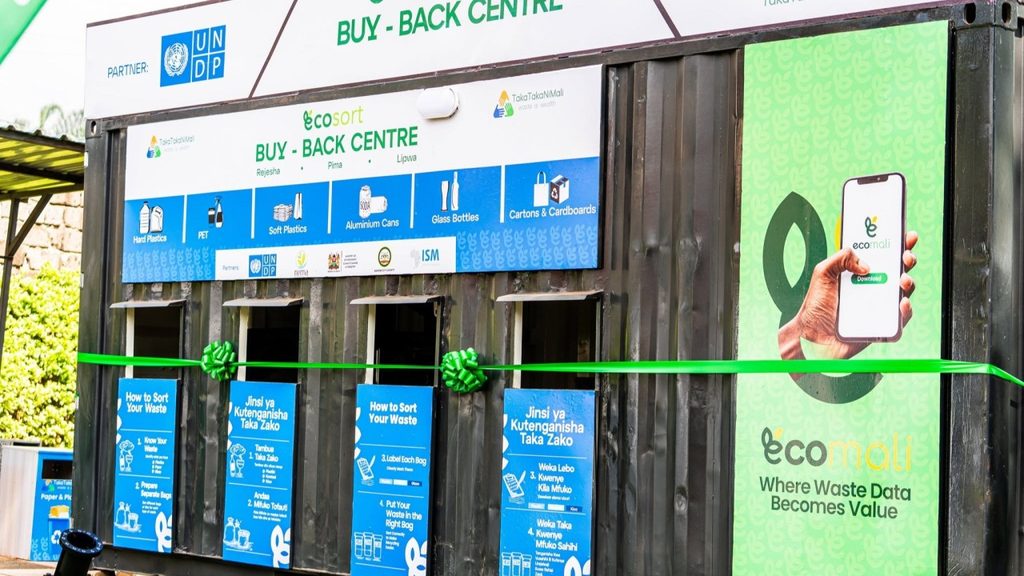
Developed by TakaTaka Ni Mali, the Ecosort model brings waste recovery closer to communities while connecting the people who collect valuable materials with infrastructure, markets, digital technology and financial opportunities.
Its proposition is simple: Return. Weigh. Get Paid / Rejesha. Pima. Lipwa.
A new way to see waste
At first glance a Buy-Back Centre may seem like a simple place where recyclable materials are brought and sold. But Ecosort is designed to be much more than that.
The centres create local hubs where recyclable materials can be collected, weighed and aggregated before being connected to recycling markets. This creates an economic incentive for communities to recover materials while helping waste entrepreneurs participate in a more structured circular value chain.
The idea is rooted in a simple reality: Africa does not need to build its circular economy from scratch. Across cities and communities thousands of people are already collecting, sorting and trading materials. They are an essential part of the recycling economy yet many remain on the margins of formal systems.
Ecosort seeks to change that relationship. Rather than treating waste collectors as beneficiaries they are recognised as business partners. The ambition is to strengthen the enterprises already operating in the sector by improving access to markets and infrastructure while opening pathways towards better working conditions and business growth.
When waste data becomes an economic asset
There is another element that sets Ecosort apart: digitalisation.
Through integration with Ecomali the digital waste marketplace developed by TakaTaka Ni Mali transactions and material flows can be recorded and traced.
For waste entrepreneurs this can have significance far beyond record keeping. One of the biggest challenges facing small waste enterprises is access to finance. Many businesses generate income every day but lack the formal records that traditional financial institutions require when assessing a borrower.
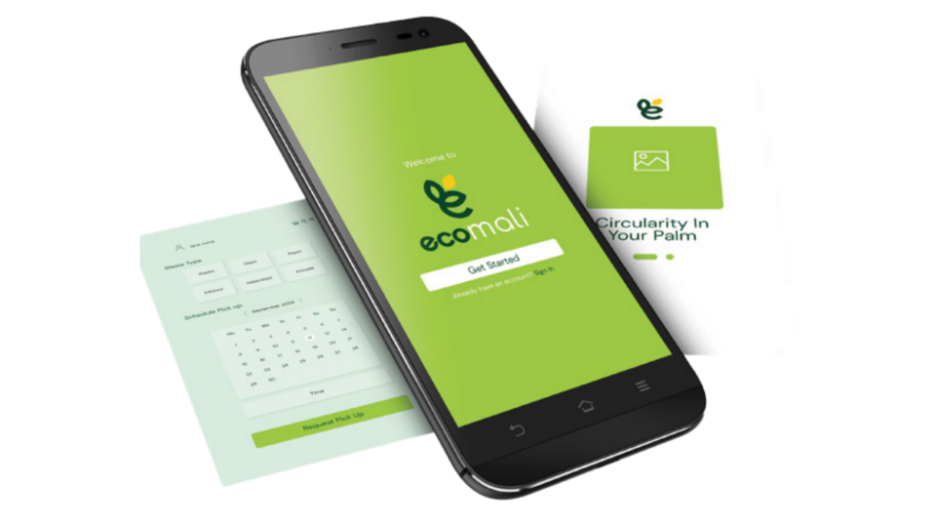
Digital transaction data can begin to change this. By creating a clearer picture of how much material an enterprise handles how frequently it trades and how much revenue it generates the system can help build a stronger foundation for alternative approaches to credit assessment.
The ambition is to connect this data with financial opportunities including working capital equipment financing and other forms of investment. In other words, a transaction that begins with a discarded plastic bottle could ultimately help a waste entrepreneur access the capital needed to grow a business.
Formalization without exclusion
Formalization Without Exclusion
For the circular economy to be genuinely inclusive, formalization cannot mean pushing people out of the system. It must mean bringing them into it.
Ecosort is designed around this principle, seeking to give waste entrepreneurs greater recognition, stronger connections to markets, improved working conditions and opportunities to build sustainable enterprises.
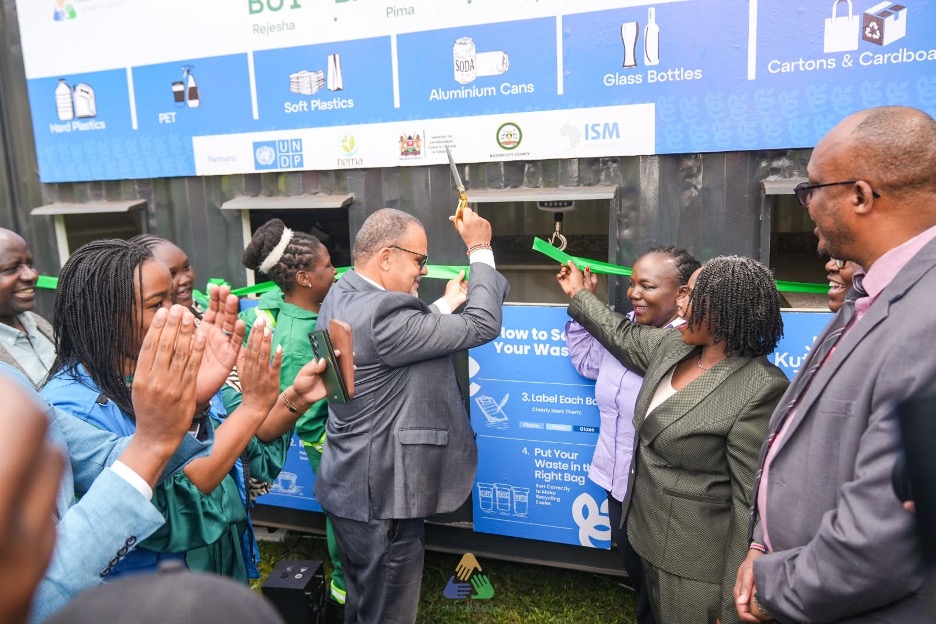
The first rollout of the Ecosort model was supported under the United Nations Development Programme (UNDP)-funded Next Gen Programme, including support towards personal protective equipment (PPE) for participating waste enterprises. This included essential items such as overalls, gumboots, masks and gloves, helping strengthen health, safety and dignity across the waste value chain.
This support reflects a broader commitment to ensuring that formalisation strengthens, rather than excludes, the people already powering the circular economy. A circular economy cannot be sustainable if the people who power it are left behind.
From Community Hubs to a Bigger Circular Economy
The initial Ecosort pilot includes four Community-Owned Ecosort Buy-Back Centre units serving communities in Nairobi and Nakuru. The ambition extends beyond these four centres, with the model designed to demonstrate how community-based recovery systems can be scaled.
Beyond improving material recovery, the centres provide a pathway for formalising waste-based livelihoods and creating decent green jobs. By connecting waste entrepreneurs to structured markets, safer working environments, business opportunities and support services, Ecosort seeks to enable people already working in the waste sector to transition into more sustainable and recognized enterprises.
The pilot will generate operational and financial data to demonstrate what works and inform future expansion. At the same time, the centres connect actors across the value chain, including communities, waste entrepreneurs, recyclers, producers, financial institutions, government and development partners.
A recyclable material can begin its journey in a household or business, move through a community collection network, reach an Ecosort centre and enter a larger recycling market. At each stage, value can be created, not only through materials recovered, but through livelihoods, enterprises and jobs.
Community → Collection → Buy-Back Centre → Aggregation → Recycling → New Products → Jobs & Livelihoods
A model for Africa?
Africa’s cities are growing rapidly and so is the volume of material they consume and discard. At the same time millions of people need access to meaningful livelihoods while industries are looking for reliable sources of recovered materials.
Ecosort offers one practical response by bringing infrastructure closer to communities while recognising the economic role of the people already recovering materials.
Its significance therefore goes beyond the Buy-Back Centre itself. It is about demonstrating that waste recovery can become an organised economic activity. That digital data can help unlock finance. That community enterprises can become stronger businesses. That development partnerships can help de-risk new models. And that environmental action can create economic opportunity at the same time.
Ultimately Ecosort invites us to rethink what happens after something is thrown away. Perhaps what we call waste is simply a resource waiting for the right system to reveal its worth.
Ecosort is building that system one community at a time; turning waste into wealth and recovery into opportunity.