
By: Doris Jeruto
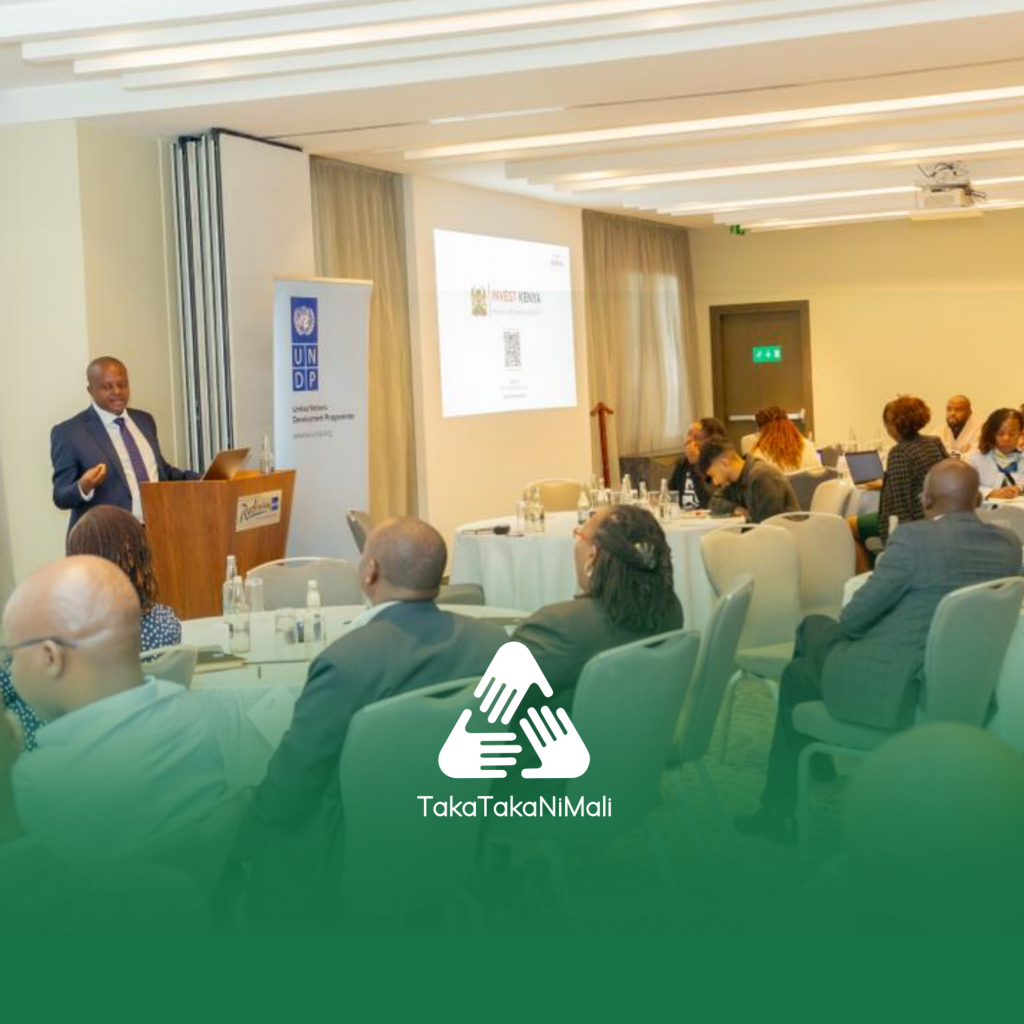
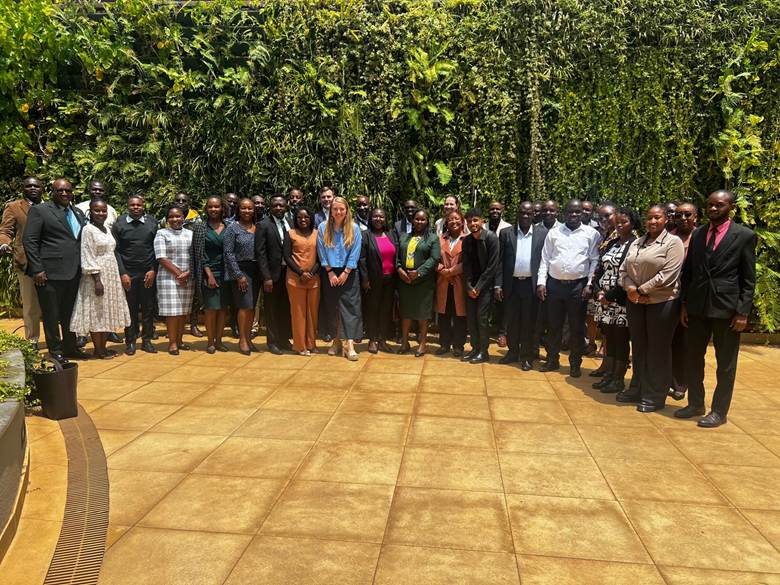
On 18 February 2026, Invest Kenya in partnership with United Nations Development Programme, TakaTaka Ni Mali, ALN Kenya and SYSTEMIQ Ltd convened a Validation Workshop for the Waste Management & Circular Economy Sector Pack at the Radisson Blu Hotel Arboretum.
The workshop served as a critical milestone in validating Kenya’s emerging circular economy investment prospectus and strengthening alignment across policy, capital, and implementation actors. Participants from government, private sector, development partners, and industry associations reviewed the draft Sector Pack with the objective of refining investment pathways that can move Kenya beyond fragmented pilots toward structured, investor-ready systems.
Discussions emphasized that the circular economy represents a significant economic opportunity capable of generating jobs, fostering enterprise growth, and enhancing resource efficiency. Stakeholders underscored the need for coordinated action to unlock capital and scale solutions across the waste value chain, from material recovery and recycling infrastructure to digital traceability and circular product innovation.
Mary Ngechu articulated the strategic rationale behind the Sector Pack, noting that the document is designed as a market-shaping instrument rather than a funding proposal or finalized strategy. She explained that Kenya already benefits from strong policy frameworks and growing entrepreneurial activity in the circular economy, yet investment at scale remains constrained by fragmentation and the absence of coordinated pathways.
Quoting from the proceedings, Mary stated: “Kenya does not lack ideas, pilots, or innovations in the circular economy. What we need is alignment.” This perspective framed the Sector Pack as an invitation for stakeholders to collaborate on creating enabling conditions that connect capital with implementable opportunities and sustainable business models.
Participants affirmed the importance of integrating informal actors—such as waste pickers and community-based enterprises ,into formal value chains to enhance both social inclusion and economic viability. The workshop highlighted that inclusive models strengthen system resilience and improve collection and recycling efficiencies, thereby creating bankable investment propositions.
Emerging opportunities in green and carbon finance were also identified as pathways to enhance investment viability. With Kenya’s National Carbon Registry operational, activities such as composting, material recovery, and landfill diversion can be linked to transparent carbon finance mechanisms that attract blended investment and support climate-aligned growth.
The validation workshop concluded with agreement on a roadmap for incorporating stakeholder feedback and advancing the Sector Pack toward finalization and official launch at KIICO 2026. This process reinforces Kenya’s commitment to circular economy transformation, sustainable investment growth, and the creation of a competitive green economy that delivers environmental and socio-economic value.
Read more in the Rapporteur’s Report below: