
By: Doris Jeruto – Head of Communications, TTNM
The fundamental bottleneck in Kenya’s green transition is not the absence of environmental policies, but the gap between national frameworks and practical county-level implementation. To address this challenge, TakaTaka Ni Mali Foundation is utilizing its FCDO Research Commissioning Centre (RCC) Impact Funded project to catalyze platforms that connect decision-makers with real-world solutions. We are proud to log this strategic engagement as part of our mandated Policy–Practice Multi-Stakeholder Engagement & Knowledge Dissemination County Dialogues, shifting the governance conversation away from conventional waste disposal toward accelerating the adoption of systemic Circular Economy Models.
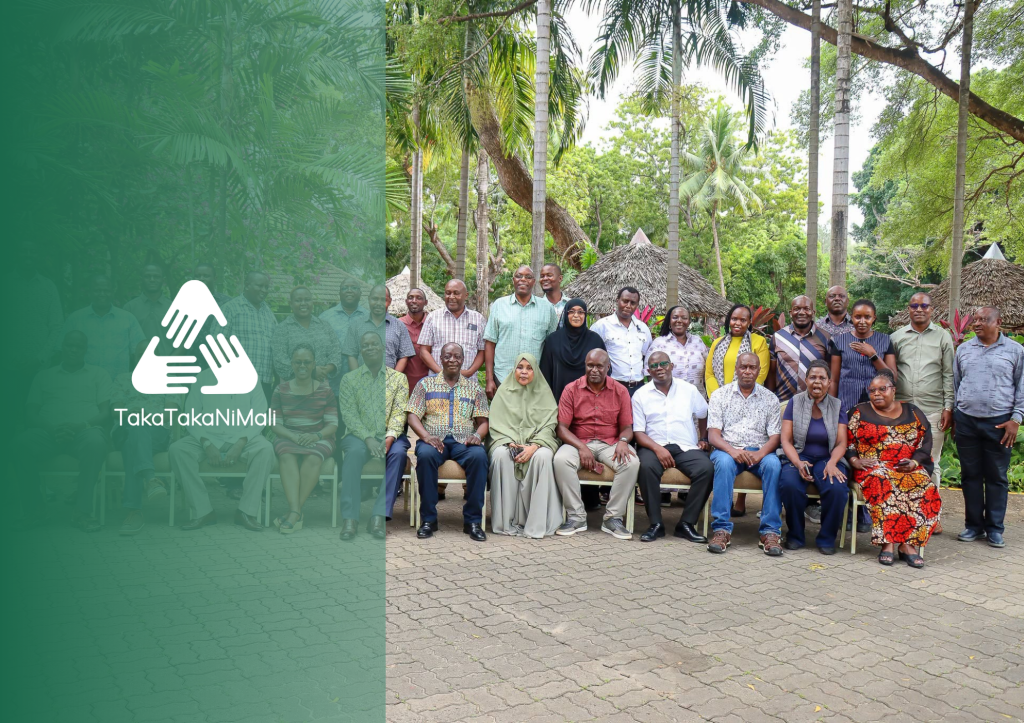
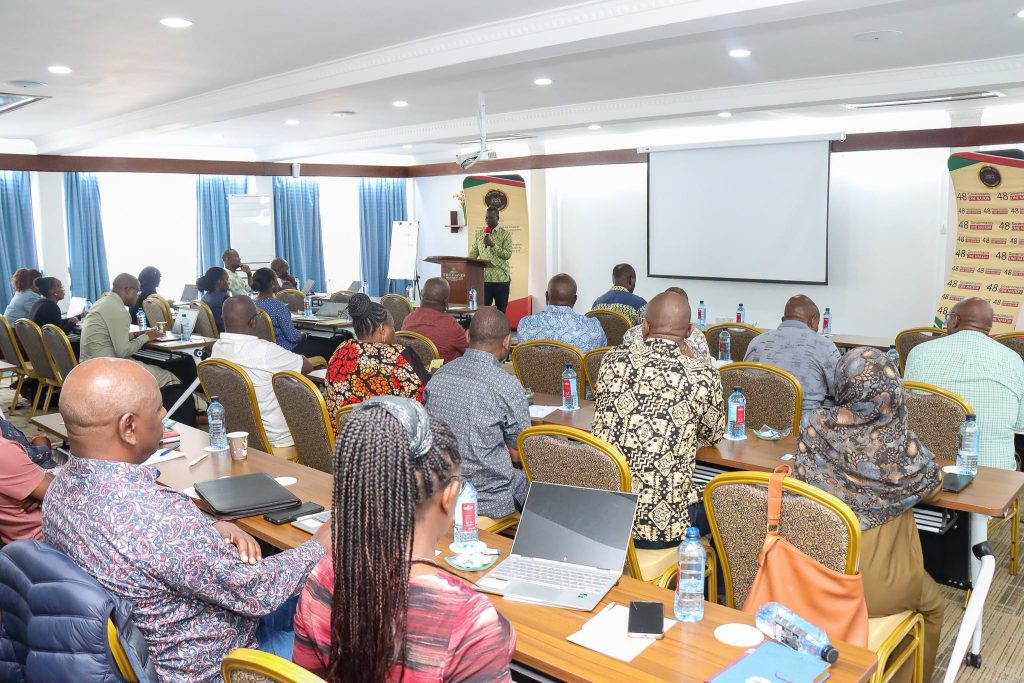
One of these milestones was achieved during a high-level forum in Mombasa convened by the Council of Governors (CoG) in partnership with the Financing Locally-Led Climate Action (FLLoCA) Programme. The dialogue convened climate stakeholders, development partners and County Executive Committee Members (CECMs) responsible for Environment, Climate Change, Water and Natural Resources. This diverse gathering provided the ultimate opportunity to align regional leadership toward localized, data-driven and wealth-generating resource recovery frameworks.
We are delighted to have been a part of this strategic engagement as part of the Policy–Practice Multi-Stakeholder Engagement & Knowledge Dissemination County Dialogues, a cornerstone initiative under our FCDO Research Commissioning Centre (RCC) Impact Funded project
Accelerating Circular Economy Adoption Beyond Waste Disposal
During the dialogues, TakaTaka Ni Mali contributed to shifting the traditional narrative around waste management. For too long, municipal waste has been approached through a linear “take-make-dispose” lens; viewed primarily as a costly logistical challenge and a public health burden for counties
Our engagement focused on supporting counties to move from awareness of circular economy principles toward practical acceleration of circular economy model adoption. Through policy discussions and knowledge exchange, we explored pathways for counties to strengthen systems that enable waste reduction, reuse, recycling, resource recovery and sustainable value creation
By engaging directly with county policy champions, we highlighted the importance of transitioning local economies toward regenerative systems. When counties accelerate the implementation of circular models, they can transform environmental challenges into localized “waste-to-wealth” opportunities, creating green jobs, strengthening women and youth participation in value chains and building more resilient local economies.
Connecting Policy to Practice: The Heart of the RCC Project
Our FCDO RCC Impact Funded project, “Catalyzing Circular Economy Models Through Waste-to-Wealth Capacity Building and Policy-Practice Engagement Platforms in Kenya and East Africa,” was designed for this exact purpose: to bridge the gap between policy commitments and community-level practice
The Mombasa dialogue reinforced that a circular transition cannot happen in isolation. It requires a collaborative platform where policymakers, practitioners, private sector actors, researchers and communities align toward shared solutions
During the forum, we focused on how counties can translate national mandates, including Extended Producer Responsibility (EPR), into practical county-level frameworks. TakaTaka Ni Mali continues to support counties in strengthening their capacity to understand waste streams, establish localized Material Recovery Facilities (MRFs) and create enabling environments where private-sector resource recovery solutions can thrive
Positioning Circularity for Green Climate Finance
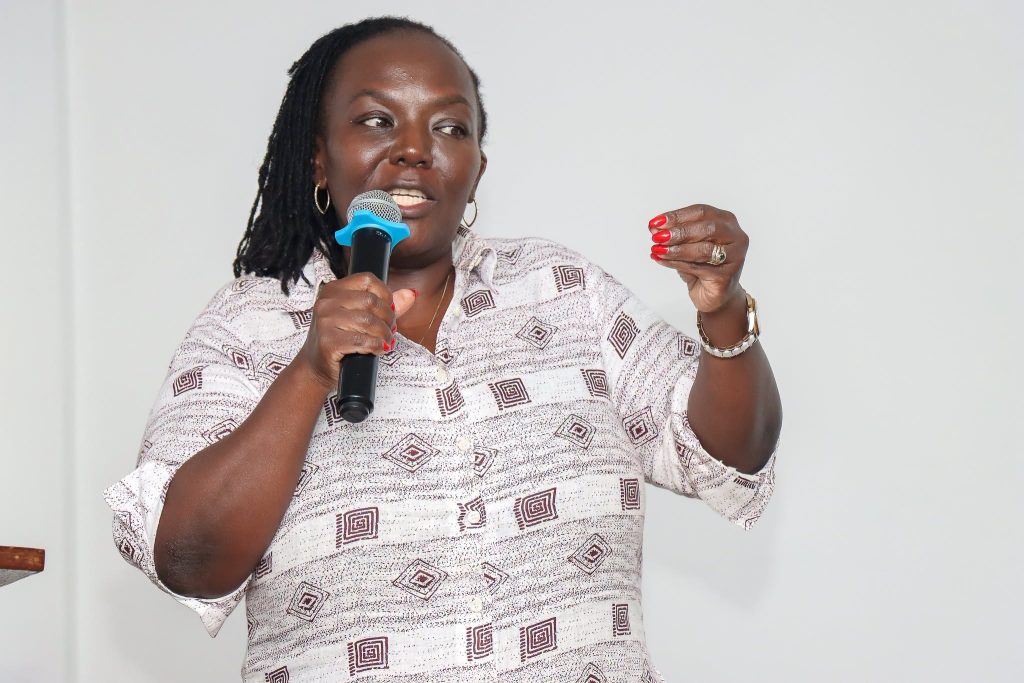
A major highlight of the policy discussions revolved around the future of climate financing. Speaking during the forum, H.E. Dr. Wilber Ottichilo, EGH, Chairperson of the CoG Environment and Climate Change Committee, emphasized the importance of counties documenting their progress, lessons learned, best practices and implementation gaps under FLLoCA. These insights will be critical in shaping future programme phases and strengthening county readiness to access climate financing opportunities
From a circular economy perspective, this presents a significant opportunity. As counties strengthen evidence-based planning through tools such as GIS Labs and the CoG Open Data Portal, there is growing potential to develop bankable climate projects rooted in circularity. The future of climate finance increasingly favors sustainable, measurable and scalable solutions that demonstrate clear environmental and economic impact.
Looking Ahead: The Journey Continues
Embedding our Policy–Practice County Dialogue within the CoG and FLLoCA platform allows us to establish a strong foundation for the remaining dialogues ahead. The momentum built in Mombasa demonstrates that when government, practitioners, researchers, private sector actors and communities collaborate, policy ambitions move beyond commitments and become practical, impactful solutions. TakaTaka Ni Mali remains dedicated to supporting Kenya’s green transition by ensuring waste is transformed into value, communities are empowered and circular economy models are accelerated across counties.